




Why Is Investing in a High-Efficiency Gas Generator Set the Smartest Way to Scale Industrial Operations?
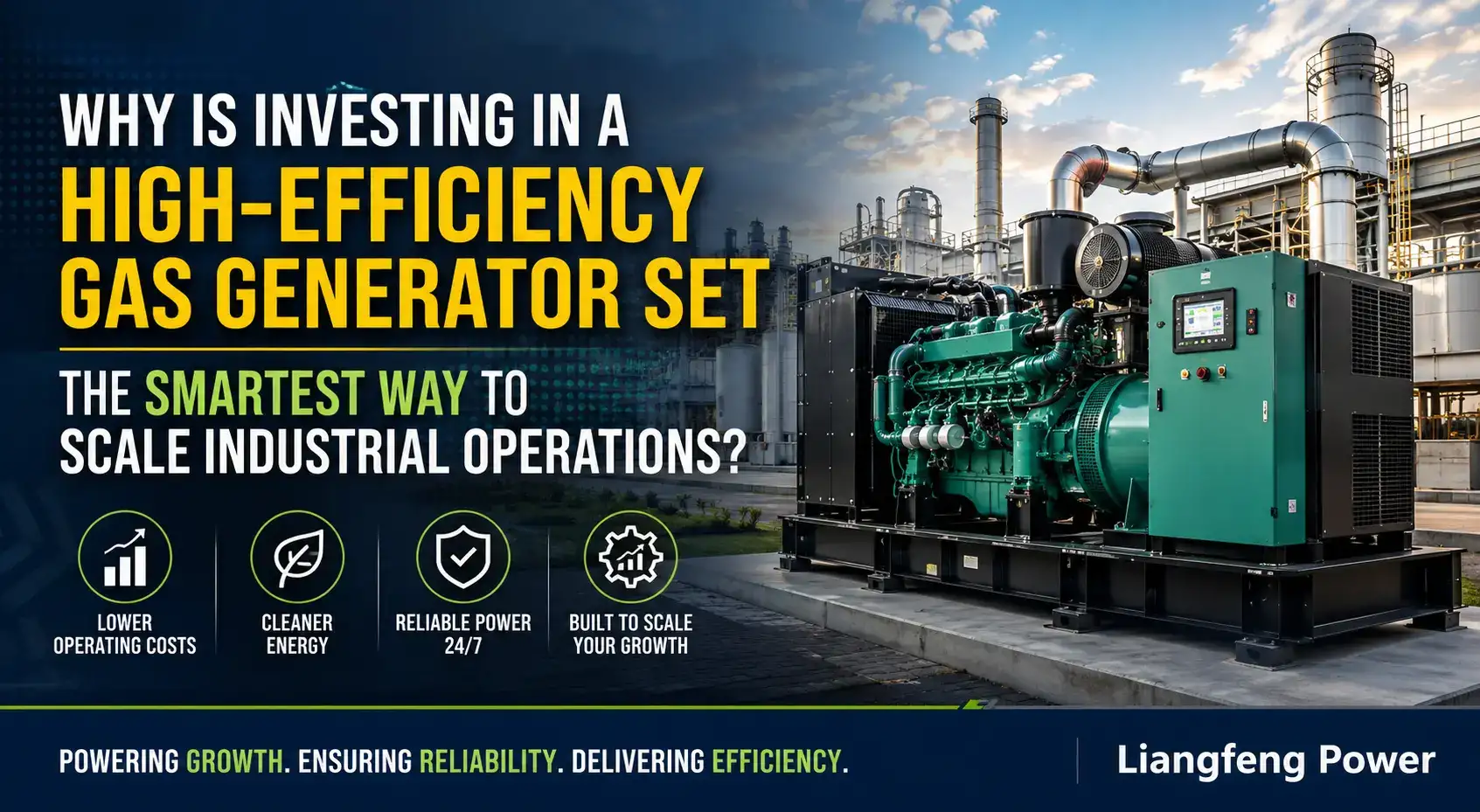
Industrial operations need deep planning when they grow. Big factories, processing plants, and production lines need constant electricity. If the power drops for even a few minutes, assembly lines stop, materials go bad, and companies lose huge amounts of money. Traditional power grids can fail during peak hours, and old diesel generators cost too much money to run because fuel prices keep going up. This is why smart managers look for modern energy equipment to power their heavy machinery and maintain daily workflow.
Choosing a high-efficiency wholesale gas generator set is the smartest decision a growing facility can make to protect its business goals. These advanced power systems burn natural gas or biogas very cleanly to produce electricity without any interruptions. This clean burning technology helps factories meet government environment rules while reducing their monthly carbon footprint. When you choose a reliable power setup, you are not just buying a machine, you are building a strong foundation for your factory to run day and night.
Investing in these systems lets you control your energy costs for many years. Natural gas travels through underground pipes, so you never have to worry about fuel trucks arriving late during bad weather. The system converts fuel into usable mechanical energy with minimal heat loss. This high conversion rate directly lowers your operational expenses and gives your business a big advantage over competitors.
Understanding the Core Technology of Gas Generation Systems
Industrial gas generator sets work by turning chemical energy from fuel into useful mechanical rotation, which then creates steady electricity. The process starts when fuel gas enters the system through a safe intake valve. This fuel mixes with clean air in a exact ratio before entering the combustion chambers of the internal combustion engine. Inside these chambers, heavy steel pistons move up and down rapidly to turn a thick steel crankshaft. This mechanical movement is what drives the main power production process.
A heavy duty alternator connects directly to the rotating crankshaft. When the crankshaft spins, it turns a strong rotor inside the copper wiring coils of the stator. This action creates a strong electromagnetic field that generates alternating current electricity for the factory floor. Modern industrial setups use specialized spark plugs to light the gas mixture at the exact microsecond when the piston reaches the top of its path. This precise timing gives you maximum force from every single cubic meter of natural gas or methane.
The overall thermal performance depends on how well the engine burns this fuel mixture. Advanced designs use special cylinder heads that swirl the air and gas together very quickly. This quick movement creates a fast and complete burn, so no fuel goes to waste out of the exhaust pipe. This process keeps the temperature inside the cylinders at a safe level while producing the highest possible torque. Because the system burns the gas so completely, the internal parts do not collect thick carbon soot deposits.
A main benefit of this setup is the constant speed it maintains under heavy electrical loads. When a large industrial machine starts up in a factory, it demands a massive spike in electrical current. The electronic speed governor on a gas unit detects this load change instantly. It opens the fuel throttle valve slightly to feed more gas into the intake manifold, which keeps the engine spinning at the exact same revolutions per minute. This fast response prevents voltage drops that could damage sensitive computer equipment or stop automated assembly lines.
The engine blocks use thick cast iron construction to handle the high pressure of continuous operations. These blocks contain deep passages called cooling jackets that wrap completely around the hot cylinders. A heavy pump circulates special liquid coolant through these passages to carry away extra heat. This heat then travels to a large radiator with powerful electric fans that blow the thermal energy away into the outside air. Keeping the engine at a stable operating temperature extends the lifespan of the internal bearings and piston rings.
How High-Efficiency Units Save Operational Costs During Scaling
When an industrial business expands its production lines, the factory needs much more electricity every single day. Running heavy machinery for extra shifts can cause utility bills to rise very fast. Standard electricity grids often charge much higher rates during peak afternoon hours when every company is using power. Using a high-efficiency power system helps factory owners avoid these expensive peak rates by creating their own electricity on site. This practice lowers the overall cost per kilowatt-hour of operation.
The continuous duty cycle of these power systems means they can run for hundreds of hours without needing a break. This constant runtime gives businesses a highly predictable energy expense every month. Managers can look at the fixed price of natural gas from the pipeline and calculate exactly how much it costs to run their factory for the next year. This financial predictability is a huge help when a company is budgeting for new buildings or buying more production equipment.
Buying equipment from an experienced generator set exporter allows factory owners to get the exact machine size for their unique load profile. A proper fit prevents the unit from running at too low of a load, which can waste fuel and lower efficiency. When an industrial engine operates in its sweet spot, usually between seventy and ninety percent of its maximum capacity, it uses fuel incredibly well. This smart fuel use directly improves the company profits by keeping operational waste near zero.
Long term savings also come from the reduction of electrical transmission losses. When a factory buys power from a utility company miles away, electricity loses strength as it travels through long wires. Creating electricity right next to the factory floor means there is no transmission loss at all. Every bit of energy that the alternator generates goes straight into the heavy industrial machines, air compressors, and assembly line motors.
Industrial Sourcing Insight
Scaling operations efficiently requires balancing premium technical specifications with smart capital expenditure. To achieve this, many deployment managers source a high-performance China gas generator set directly from global B2B procurement channels. This approach allows facilities to secure highly customized power machinery from top manufacturing hubs, streamlining international logistics while significantly cutting down front-end procurement costs.
Environmental Compliance and Emission Control in Modern Industries
Governments around the world are making environmental laws much stricter for manufacturing plants every year. Factories that release too much dark smoke or harmful gases have to pay very expensive fines. Modern industrial power units use advanced emission control systems to meet these strict clean air standards. These systems clean the exhaust gases before they leave the stack, which protects the surrounding community and environment.
The primary advantage comes from the clean properties of methane gas compared to heavy liquid fuels. Methane has a very simple chemical structure with fewer carbon atoms, so it releases much less carbon dioxide when it burns. The combustion process also produces almost zero particulate matter, which means there is no black soot or airborne ash. This clean burn keeps the exhaust valves and catalytic converters inside the exhaust pipe clean and working properly for a long time.
Methane Combustion Reaction:
CH4 + 2 O2 ---> CO2 + 2 H2O + Useful Thermal Energy
Many setups use a special device called a selective catalytic reduction system inside the exhaust piping. This device injects a small amount of liquid urea into the hot exhaust stream. The urea reacts with dangerous nitrogen oxides over a special ceramic catalyst bed inside the muffler housing. This chemical reaction turns the harmful pollutants into harmless nitrogen gas and clean water vapor before they go into the sky.
Industrial managers can track these emissions in real time using electronic sensors installed directly in the exhaust stack. These sensors send digital data to the main factory control room so operators can see the emission levels constantly. If the oxygen levels in the exhaust change slightly, the main computer automatically adjusts the fuel injection system to fix the air-to-fuel ratio. This instant correction keeps the engine running inside its legal environmental limits at all times.
Reducing the factory carbon footprint also helps the company build a better public image in the marketplace. Many global brands prefer to buy parts from suppliers who use clean energy solutions in their factories. By investing in clean power equipment, a manufacturing business can win valuable corporate contracts that require strict environmental standards. It turns a simple utility requirement into a powerful marketing tool for growing the business.
Comparing Gas Systems with Traditional Diesel Generators
Industrial companies have traditionally used diesel engines for backup power during emergencies. While diesel units can start up very quickly, they have several major drawbacks when you need continuous power to scale up everyday operations. Understanding these differences helps factory owners choose the right asset for their long term growth plans.
The primary problem with diesel units is the challenge of fuel logistics. A large industrial plant uses thousands of liters of fuel every day when running at full capacity. Relying on diesel means you must have large steel fuel tanks on your property, which are a major fire hazard and can leak into the soil. You also have to schedule fuel delivery trucks to arrive at your factory every week, which can be difficult during bad weather or fuel shortages. Gas units connect directly to underground municipal utility lines, so the fuel flows non-stop without any human effort.
Diesel fuel also spoils if it sits inside a storage tank for more than six months. Water from condensation can mix with the fuel, which allows bacteria to grow inside the tank and clog the engine fuel filters. Natural gas does not degrade or spoil over time, so it is always ready to burn perfectly even if the machine has been off for a while. This reliability gives managers peace of mind that their power source will work whenever they need it.
Another technical issue with diesel engines is a problem called wet stacking. When a diesel generator runs on a light load, the engine does not get hot enough to burn all the liquid fuel completely. This unburnt fuel builds up as a thick, sticky liquid inside the exhaust pipes, which damages the turbocharger and reduces engine power. Gas power systems do not suffer from wet stacking because the fuel is already a gas when it enters the cylinder, which leads to a clean burn every time.
The Role of Biogas and Alternative Methane Sources
Many modern industrial facilities are finding ways to run their power systems using alternative fuels that they find or make on site. Biogas is a fantastic fuel source that comes from the natural breakdown of organic waste matter. Factories that process food, treat wastewater, or handle agricultural goods can collect this gas for free. Using this waste gas to create electricity lowers the factory utility bills to almost zero.
Biogas forms inside large, sealed concrete tanks called anaerobic digesters. These tanks hold organic materials like food scraps, animal manure, or wastewater sludge in a warm environment without any oxygen. Friendly bacteria break down the waste material over several weeks, which releases a rich gas made mostly of methane and carbon dioxide. A special gas scrubbing system removes the carbon dioxide, moisture, and sulfur smells to leave clean, burnable fuel.
Biogas Cleaning Process:
Raw Gas ---> Water Separator ---> Carbon Filter ---> Clean Industrial Fuel
Using waste gas protects the factory from changes in global fuel market prices. If global oil or gas prices go up suddenly, a factory that makes its own biogas will not see its production costs rise. This independence gives the business a very stable financial foundation. It also solves a major waste disposal problem, because the factory is using its own garbage to power its machinery.
The leftovers from the biogas process are also very useful. After the bacteria finish breaking down the organic material, a thick liquid called digestate remains at the bottom of the tank. This liquid is full of valuable nutrients like nitrogen and phosphorus, which makes it an excellent organic fertilizer. Factories can sell this fertilizer to local farms to create an extra source of income for the business.
Maintenance and Longevity of Industrial Power Equipment
Industrial energy equipment is a serious long term investment that can last for several decades if workers maintain it correctly. Because gas burns so cleanly, the internal engine parts experience much less wear and tear than engines using heavier fuels. This clean operation lengthens the time between major service breaks, which keeps the machine running on the factory floor for more than twenty years.
The most important maintenance task is checking the engine oil regularly. Technicians take small oil samples from the oil pan every month and send them to a professional laboratory for testing. The lab checks the oil for tiny pieces of metal, which would show that a bearing or piston ring is wearing down too fast. This testing allows maintenance teams to fix small issues before they turn into expensive engine breakdowns.
Monthly Maintenance Checklist:
1. Collect oil sample for laboratory wear analysis.
2. Check spark plug gap clearance and clean ceramic tips.
3. Inspect cooling jacket hoses for small cracks or leaks.
4. Measure alternator voltage output across all three phases.
Technicians must also inspect the spark plugs regularly to keep the ignition timing perfect. Over hundreds of hours of operation, the tiny metal gap at the tip of the spark plug can widen slightly due to electrical heat. If the gap gets too wide, the spark will become weak, which causes the fuel to burn poorly. Workers use a precise tool to measure this gap and adjust it back to the factory specifications, or they install fresh spark plugs when necessary.
The cooling system needs careful attention to protect the heavy engine block from thermal stress. Workers must check the liquid coolant level every week and look for any small leaks in the thick rubber hoses. Every few years, technicians flush the entire cooling system with fresh water and chemical cleaners to remove any mineral scale buildup inside the passages. This cleaning keeps the heat moving smoothly out of the engine and into the radiator.
Detailed Summary of the Industrial Power Transition
Scaling up an industrial operation requires making smart choices about infrastructure, fuel logistics, and environmental rules. Traditional options like standard electricity grids leave factories vulnerable to sudden blackouts, brownouts, and expensive peak utility rates that hurt monthly profits. Relying on liquid diesel generators introduces major fuel storage hassles, dangerous fire risks, and expensive maintenance issues like wet stacking and carbon soot buildup. Modern gas generator sets solve all of these common industrial energy problems at the same time.
These advanced power systems use clean burning technology to turn natural gas or local biogas into steady electricity right next to the production floor. This local generation eliminates power transmission losses and provides an incredibly stable voltage that protects sensitive factory computers and heavy electric motors. Because the fuel burns so completely, the internal engine parts stay clean, which reduces the need for frequent maintenance breaks and extends the machinery lifespan for decades. The clean exhaust also makes it easy for factories to pass strict government environmental inspections without paying expensive pollution fines.
Investing in high efficiency energy machinery gives growing businesses complete control over their long term operational costs. Managers can look at stable pipeline fuel prices and plan their manufacturing budgets with high accuracy for years to come. This financial safety allows companies to expand their assembly lines, hire more staff, and take on bigger corporate clients with absolute confidence. Transitioning to a dedicated on site gas power system is the most reliable way to secure the energy future of a growing industrial business.
Partnering for Reliable Energy Solutions
Choosing the right partner for your factory energy needs is the most important step when updating your industrial power setup. A professional energy team can look at your current factory electricity usage and calculate the exact equipment size you need for your growing production lines. They will help you design a complete system from the fuel intake valves to the main factory electrical panel. This careful planning ensures that your new machinery integrates perfectly with your existing industrial layout without causing any extended downtime during installation.
If you are ready to protect your business from expensive blackouts and lower your monthly energy costs, get in touch with Liangfeng Power Equipment today. Their team of highly trained industrial engineers can answer all your technical questions about fuel consumption, emission standards, and long term maintenance options. They provide heavy duty power machinery built to handle the toughest continuous workloads in the modern manufacturing industry. Let a dedicated power expert build the strong, clean, and highly efficient energy foundation that your business needs to grow successfully.
Featured Articles
Industrial power systems require more than just a generator that can produce el
READ FULLIndustrial operations need deep planning when they grow. Big factories, process
READ FULLSelecting a reliable China Generator Set Supplier r
READ FULL